
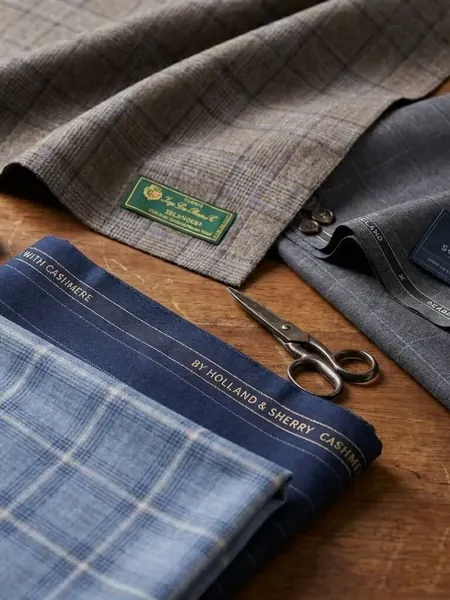
A well-made bespoke suit can outlast almost any other garment in your wardrobe, but only if it's looked after correctly. Most of the damage suits suffer isn't from wear - it's from how they're stored, cleaned, and handled between wears.
Let it rest between wears
Wool fibres need time to recover their shape after being worn. Wearing the same suit two days running doesn't just wear it out faster - it stops the fabric from springing back, which is where creases start to set in permanently. A good rule is at least 24 hours on a proper shaped hanger before wearing it again.
Brush, don't wash
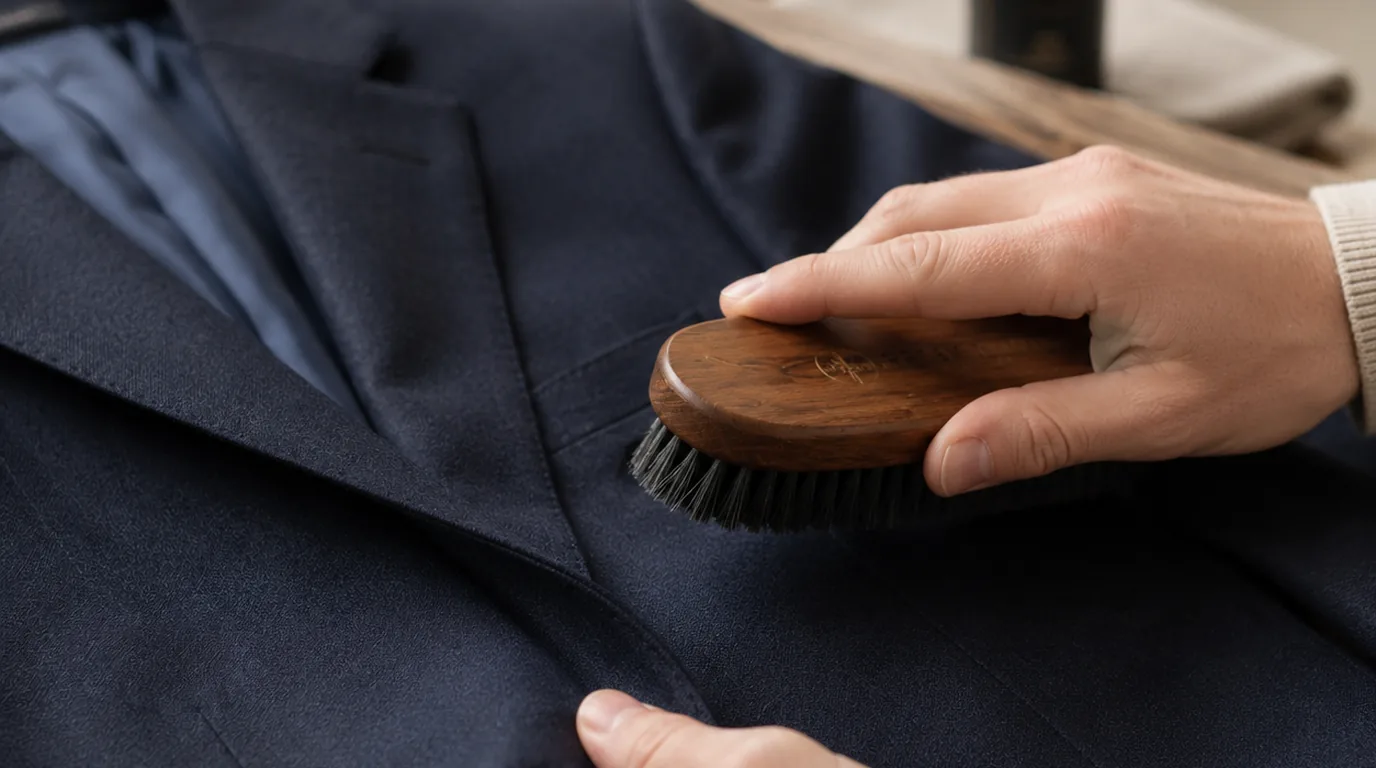
Dry cleaning breaks down the natural oils in wool fibres and the canvas structure inside the jacket over time. Most marks and dust can be removed with a soft clothes brush after each wear, used in short downward strokes. Save dry cleaning for genuine stains, and even then, no more than once or twice a year.
Hang it properly
A wide, curved wooden hanger that matches the shoulder width of the jacket is worth the investment. Wire or narrow hangers distort the shoulder line over time - exactly the part of the garment that's hardest to fix once it's lost its shape.
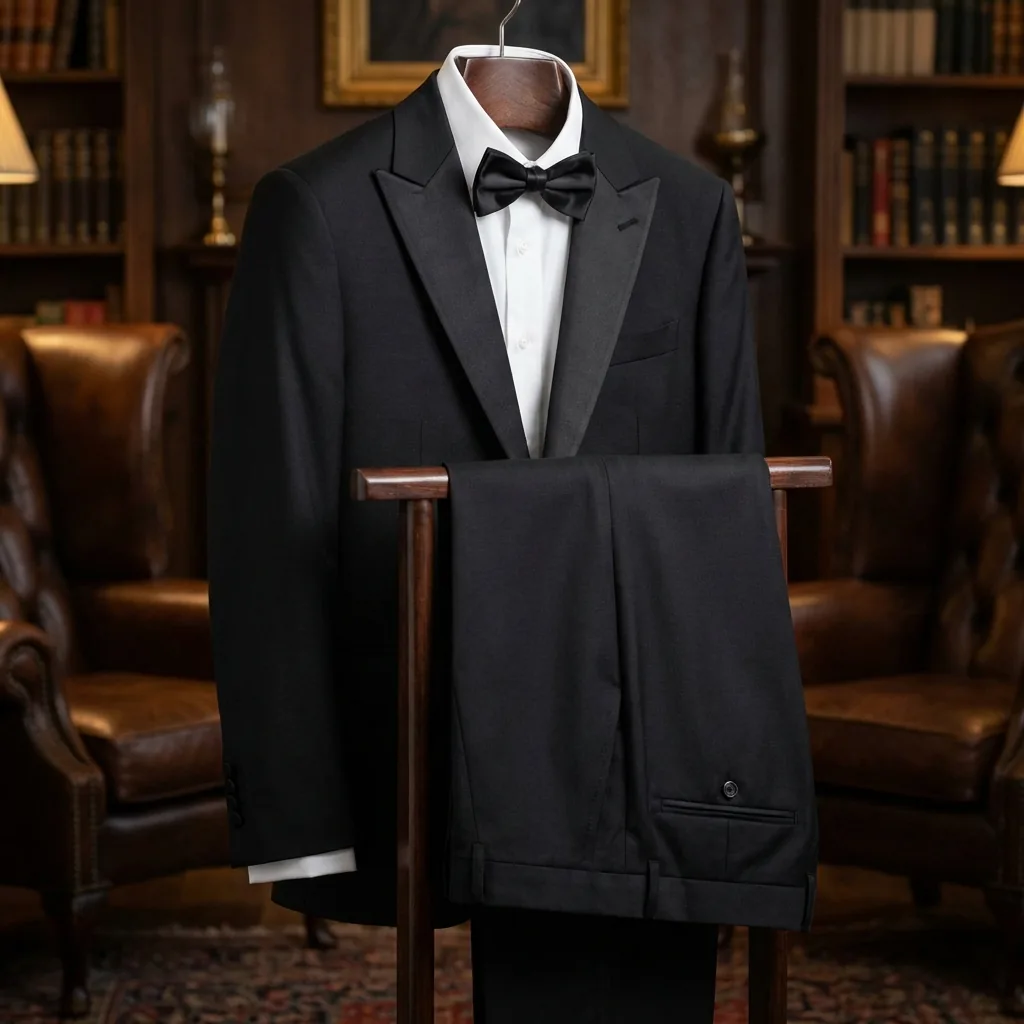
Trousers should be hung by the hem on a clamp hanger, or folded along the original crease line, never folded at the knee.
Storage between seasons
Use breathable garment bags rather than plastic - plastic traps moisture and can yellow fabric over time. Cedar blocks rather than mothballs keep moths away without leaving a lingering smell in the cloth. If you're ever unsure about a specific fabric or finish, our helpdesk covers most common questions, or you're welcome to ask us directly.
Dealing with creases and freshening between wears
Most everyday creasing does not need pressing at all - it needs steam and time. Hanging a suit in the bathroom while you shower allows the humidity to relax light creases naturally, and a handheld steamer does the same job more directly without the risk that a hot iron carries. Steam works with wool's natural memory, encouraging the fibres back towards the shape they were cut to hold, whereas direct heat and pressure can flatten the cloth and, over time, create a shine on high-contact areas like the seat and elbows.
If you do need to press, always use a pressing cloth between the iron and the fabric, keep the temperature moderate, and avoid pressing directly over seams and edges, which can leave impressions that are difficult to remove. For anything structural - lapels, the chest, the shoulders - it is genuinely better to leave it to a tailor or a specialist presser who understands the canvas beneath.
Spot-cleaning and handling stains
The most important rule with a fresh stain is to act gently and quickly, and to resist the urge to rub. Blot a spill with a clean, slightly damp cloth, working from the outside of the mark inwards so you do not spread it, and let the area dry naturally. Aggressive rubbing pushes the stain deeper into the weave and can disturb the surface of the cloth, which is often harder to remedy than the original mark.
For anything oil-based or stubborn, it is worth resisting home remedies and taking the garment to a professional who can treat the specific stain without subjecting the whole suit to a full dry clean. Telling them what caused the mark, and how long ago, makes a real difference to how successfully it can be lifted.
Rotating your suits
If a suit is part of a regular wardrobe rather than kept for occasions, the single most effective thing you can do to extend its life is to own enough tailoring to rotate. Alternating between two or three suits gives each one the recovery time wool needs between wears, and spreads the wear across several garments rather than concentrating it on one. A suit worn twice a week will comfortably outlast the same suit worn every day, often by years.
Small repairs before they become large ones
Bespoke garments are made to be maintained, and catching small issues early keeps them out of the repair-or-replace territory. A loose button, a thread beginning to pull at a seam, or the first sign of fraying at a trouser hem are all quick, inexpensive fixes when addressed promptly and far more involved once ignored. Keeping the spare cloth and buttons your tailor provides with a new commission means matching repairs remain possible for the life of the garment.
It is also worth having a well-worn suit looked over by a tailor periodically. Linings, working buttonholes and trouser hems are all replaceable, and a garment that has been properly made can be quietly refreshed and returned to service rather than retired - which is precisely the point of investing in bespoke in the first place.
None of this is complicated, but it compounds. A suit cared for this way will still be holding its shape in fifteen years; one that isn't will start showing it within two or three.